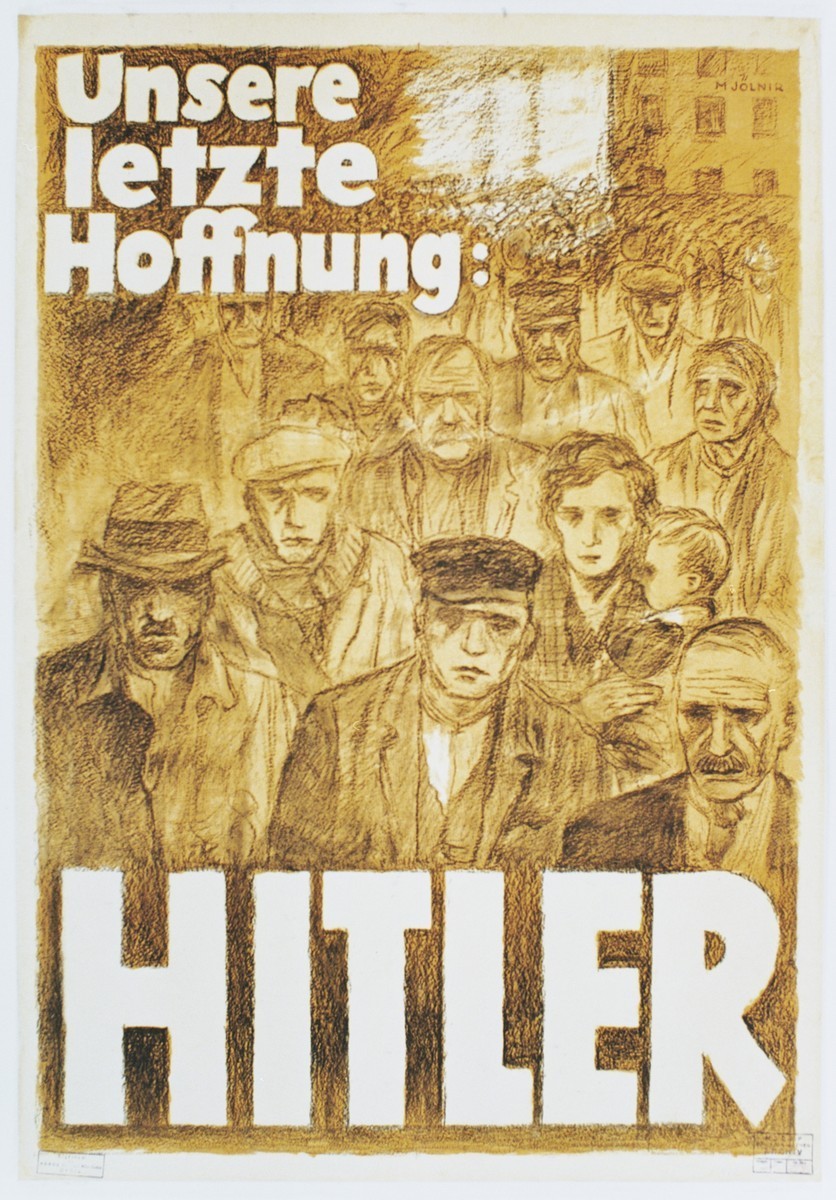
View original source at USHMM
From Weimar to dictatorship
Germany’s defeat in World War I, the Versailles settlement, political violence, hyperinflation and the Great Depression created severe instability, but they did not make Nazi rule inevitable. Adolf Hitler was appointed chancellor on January 30, 1933. Emergency measures, suppression of political opponents and the Enabling Act rapidly destroyed parliamentary democracy and concentrated power in Nazi hands.
Law, exclusion and dispossession
The April 1933 boycott of Jewish businesses and the law excluding many Jews from the civil service helped normalize discrimination. The Nuremberg Laws of September 15, 1935 stripped Jews of full citizenship and prohibited marriages and sexual relations between Jews and people classified as “German or related blood.” Nazi bureaucracy increasingly restricted education, employment, movement and public access while property was transferred through “Aryanization.”
November Pogrom and refugee crisis
On November 9–10, 1938, synagogues and businesses were destroyed, Jews were assaulted and murdered, and tens of thousands of Jewish men were arrested and sent to concentration camps. The violence marked a major escalation. Emigration became more urgent but increasingly difficult: leaving required money, documents, visas, safe transit and a country willing to admit refugees. The Evian Conference, Kindertransport and the voyage of the St. Louis illustrate both rescue efforts and the severe limits placed on escape.
Sources
This page is an educational synthesis based on the following sources. Consult the full sources for deeper research.