View original source at USHMM
A diverse European Jewish world
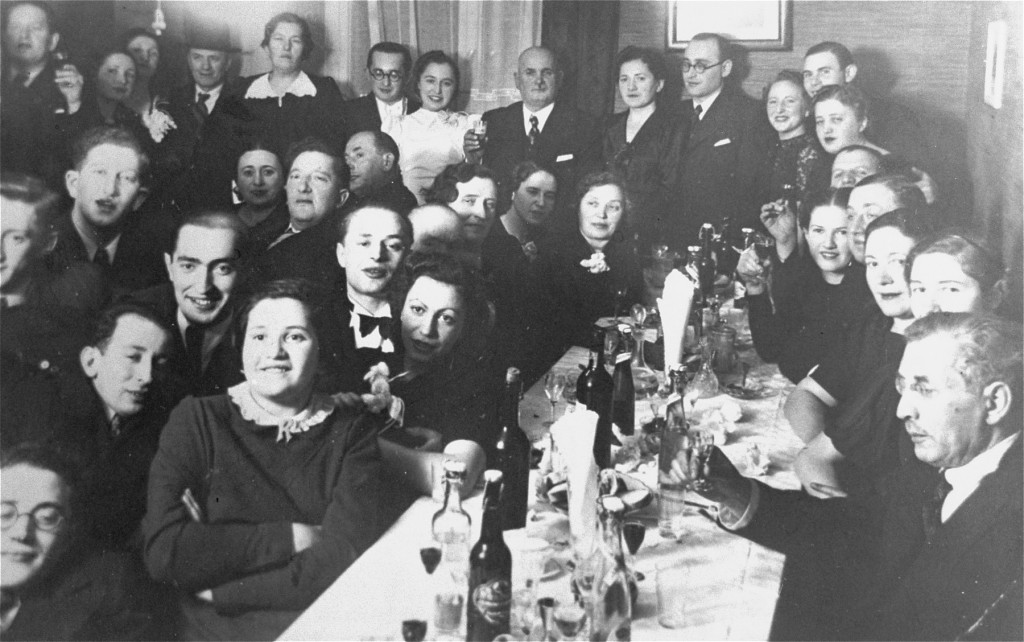
Approximately 9–9.5 million Jews lived in Europe before World War II. Large communities existed in Poland and the Soviet Union, while substantial populations also lived in Germany, Austria, France, the Netherlands, Greece, the Balkans and elsewhere. There was no single “European Jewish way of life.” Communities differed by language, religious observance, social class, political outlook, occupation and degree of integration.
Yiddish and Ladino cultures flourished alongside Hebrew revival and the languages of surrounding societies. Jewish life included Hasidic and non-Hasidic religious communities, secular schools, youth movements, political parties, trade unions, newspapers, theaters, writers, musicians, merchants, artisans, doctors, lawyers, factory workers, teachers and students.
Why begin here?
Beginning with prewar life prevents the victims from being remembered only through the circumstances of their murder. Family photographs, school records, newspapers, synagogue documents, business directories and community archives restore individual identity and show what was destroyed: people, relationships, institutions, languages and centuries-old communities.
Jewish life in its own right
Regional diversity
Ashkenazi, Sephardic, North African and Balkan Jewish worlds differed in language, politics, religion and social structure.
Everyday institutions
Schools, newspapers, theater, sport, youth movements, women’s organizations, labor movements and charities shaped ordinary life.
Languages and identities
Yiddish, Hebrew, Ladino, German, Polish, Russian, Hungarian, Dutch, French, Greek, Arabic and Italian all belonged to Jewish public life.
Community pathways
Country and community pages now connect prewar life directly to later persecution and destruction.
Sources
This page is an educational synthesis based on the following sources. Consult the full sources for deeper research.