View original source at USHMM
The deportation process
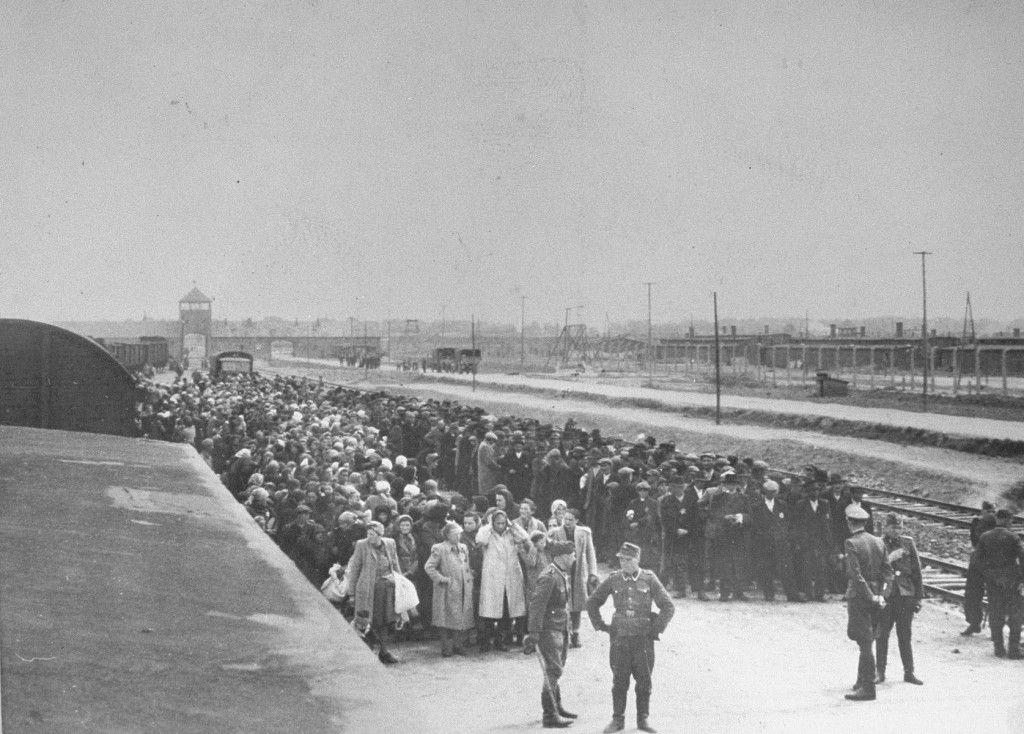
Deportation was a process, not simply a train journey: registration, confiscation, arrest or roundup, assembly, transit, forced boarding, transport, arrival, selection, registration, forced labor or immediate murder. Rolling stock and conditions varied by route. “Cattle car” should be used only when freight wagons were actually used.
Human lives under coercion
Victim-centered history includes hunger, illness, work, care, education, prayer, smuggling, music, humor, friendship, fear, love, childbirth, mourning, conflict and attempts to preserve dignity. The word “choice” requires caution because people were often forced to select among options created by violent coercion.
A microhistory approach
A single family or individual can reveal how persecution changed daily life over time. Good microhistory begins with a prewar photograph or document, identifies the person’s home, school, occupation and relationships, follows dated restrictions through multiple sources, and ends with the known fate, survival, postwar life or acknowledged uncertainty.
Deportation as a system
From order to train
Authorities set quotas and destinations; police conducted roundups; railway offices allocated trains and schedules.
Transit camps
Drancy, Westerbork and Mechelen connected local persecution to continental transport networks.
Journey conditions
Rolling stock varied, but overcrowding, lack of water and sanitation, family separation and uncertainty were common.
Records
Transport lists and destination records can reconstruct journeys but do not automatically prove final fate without corroboration.
Sources
This page is an educational synthesis based on the following sources. Consult the full sources for deeper research.